Mléko a léky: jak se navzájem ovlivňují a co s tím dělat
When you take antibiotics, your doctor might tell you to avoid dairy—but why? mléko, prostý potravinový produkt bohatý na bílkoviny a vápník, který může ovlivňovat účinnost některých léků. Also known as mléčné výrobky, it can bind to antibiotics like tetracyclines and reduce their absorption, making them less effective. This isn’t just a myth—it’s backed by pharmacology. The same goes for probiotika, živé mikroorganismy, které podporují zdravou střevní mikroflóru a pomáhají obnovit rovnováhu po léčbě antibiotiky. Also known as laktobacily, they’re often recommended after antibiotics, but if you take them with milk at the wrong time, you might not get their full benefit. And if you’re taking kolagen, doplněk stravy pro kůži, klouby a vlasy, který podporuje regeneraci tkání. Also known as hydrolyzovaný kolagen, it’s usually taken on an empty stomach for best absorption—but some people mix it with milk, not realizing it might slow down the process.
It’s not just about timing. If you’re on long-term medication—especially for gut issues, autoimmune conditions, or after repeated antibiotic courses—your body might be struggling to process even simple foods like milk. Lactose intolerance isn’t always genetic; sometimes, it’s caused by damaged gut lining from antibiotics or stress. That’s where laktobacily come in. They help break down lactose, restore gut balance, and reduce bloating or discomfort that might otherwise be blamed on the milk itself. But probiotics won’t fix everything if you keep pairing them with antibiotics or dairy at the wrong hours. The key is sequencing: take antibiotics first, wait two hours, then take probiotics. And if you’re drinking milk, make sure it’s not the same time as your medication or supplement.
Many people think that if they feel fine, they can ignore these interactions. But the damage is often silent. A disrupted microbiome doesn’t just cause stomach upset—it affects your immune system, mood, skin health, and even how well your body absorbs nutrients like vitamin D or calcium. That’s why people who take antibiotics regularly often end up with dry skin, brittle nails, or joint pain—not because they’re aging faster, but because their gut stopped doing its job. That’s where kolagen and probiotika become more than supplements—they become tools to rebuild what was lost. You don’t need fancy potions. Just the right timing, the right foods, and a little awareness.
Below you’ll find real, practical advice from people who’ve been there: how to take probiotics after antibiotics, which milk alternatives work best, why your skin might be reacting to dairy after a course of pills, and how to use collagen to repair the damage. No theory. No fluff. Just what works.
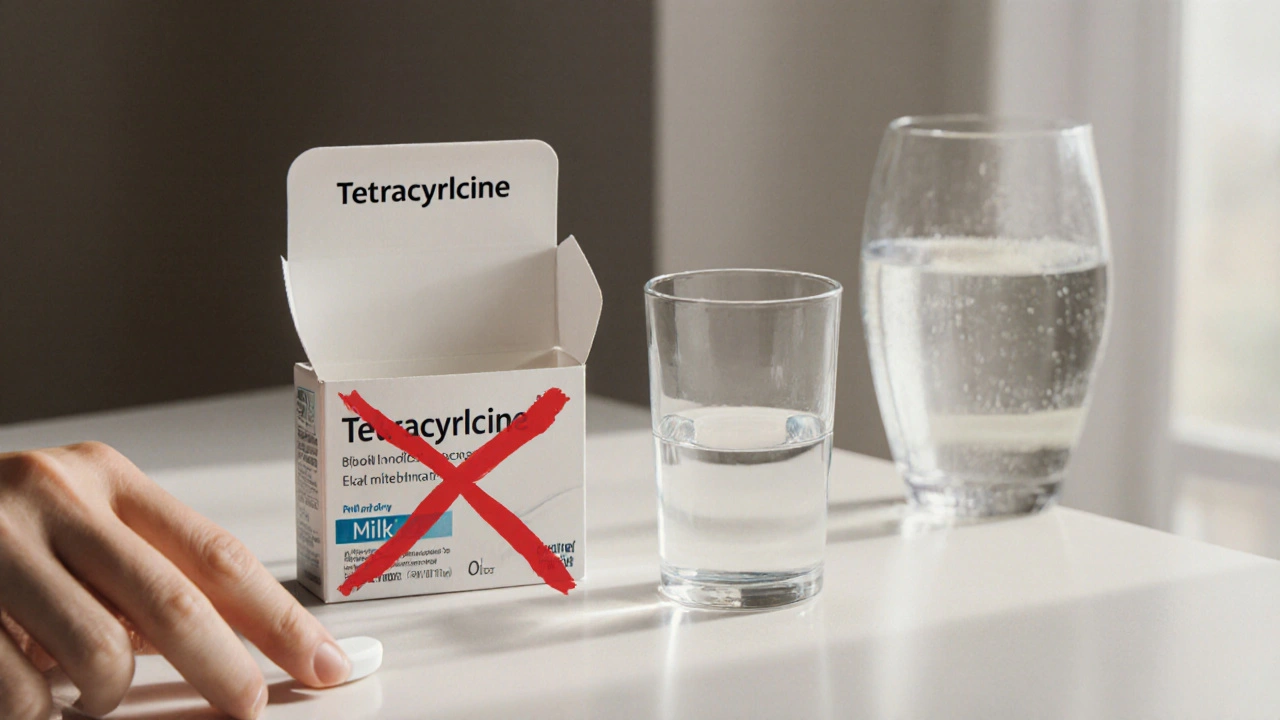
Proč se nesmí na antibiotika pít mléko? Vliv na účinek a co dělat místo toho
Mléko může značně snížit účinek některých antibiotik díky vápníku, který váže účinnou látku. Zjistěte, které léky s mlékem nesmíte kombinovat, jak chránit střevní mikrobiom a co pít místo toho.